Bulgur Wheat Tabbouleh
Whenever my brother Liam and I fire up the grill in our backyard, our wives, Ava and Isla, immediately start reaching for the bunches of fresh parsley. At HSalad.com, we believe that a great meal revolves around the perfect side dish. For our family, that dish is always a vibrant, zesty Bulgur Wheat Tabbouleh.

I remember one specific summer evening last year when the sun was just beginning to set over our patio. We had gathered the whole family for a Mediterranean-themed dinner. Liam was busy charring some lamb skewers, while Isla and Ava were laughing over a mountain of fresh herbs.
I took charge of the grain, ensuring the Bulgur Wheat Tabbouleh had that perfect, fluffy texture. This recipe holds a special place in our hearts because it represents the very first “perfect” salad we developed together as a team. We spent weeks debating the ratio of lemon juice to olive oil, but once we landed on this version, we knew we had a winner.
Every time I take a bite of this Bulgur Wheat Tabbouleh, I am transported back to that warm night, surrounded by the people I love most. It is more than just a salad to us, it is a celebration of fresh ingredients and family traditions.
If you want to bring a piece of our kitchen into your home, this Bulgur Wheat Tabbouleh is the best place to start. We hope this recipe helps you create your own wonderful memories at the dinner table.
Why You Will Love This Bulgur Wheat Tabbouleh
You will absolutely adore this Bulgur Wheat Tabbouleh because it offers a burst of freshness that few other dishes can match. First, the combination of flat-leaf parsley and fresh mint creates a cooling sensation that makes it perfect for hot summer days. Second, the fine grains of the Bulgur Wheat Tabbouleh soak up the lemon juice and extra virgin olive oil, which ensures every single bite is packed with flavor.
Third, this salad is incredibly healthy and nutrient-dense. We use whole grains and a massive amount of green herbs to provide fiber and antioxidants. Furthermore, this Bulgur Wheat Tabbouleh is a fantastic make-ahead dish.
In fact, the flavors actually improve after the salad sits in the refrigerator for an hour or two. You will also love how versatile this recipe is for different dietary needs. It is naturally vegan and vegetarian, making it a crowd-pleaser for any gathering.
Finally, the texture of this Bulgur Wheat Tabbouleh provides a satisfying crunch from the cucumbers and a soft chew from the grain. It really is the ultimate balance of taste and texture.
Ingredients You’ll Need
To create the most authentic and delicious Bulgur Wheat Tabbouleh, you must start with the freshest ingredients possible. We always recommend visiting your local farmer’s market for the herbs. Quality matters when the ingredient list is this simple. Here is everything you need to gather before you start cooking.
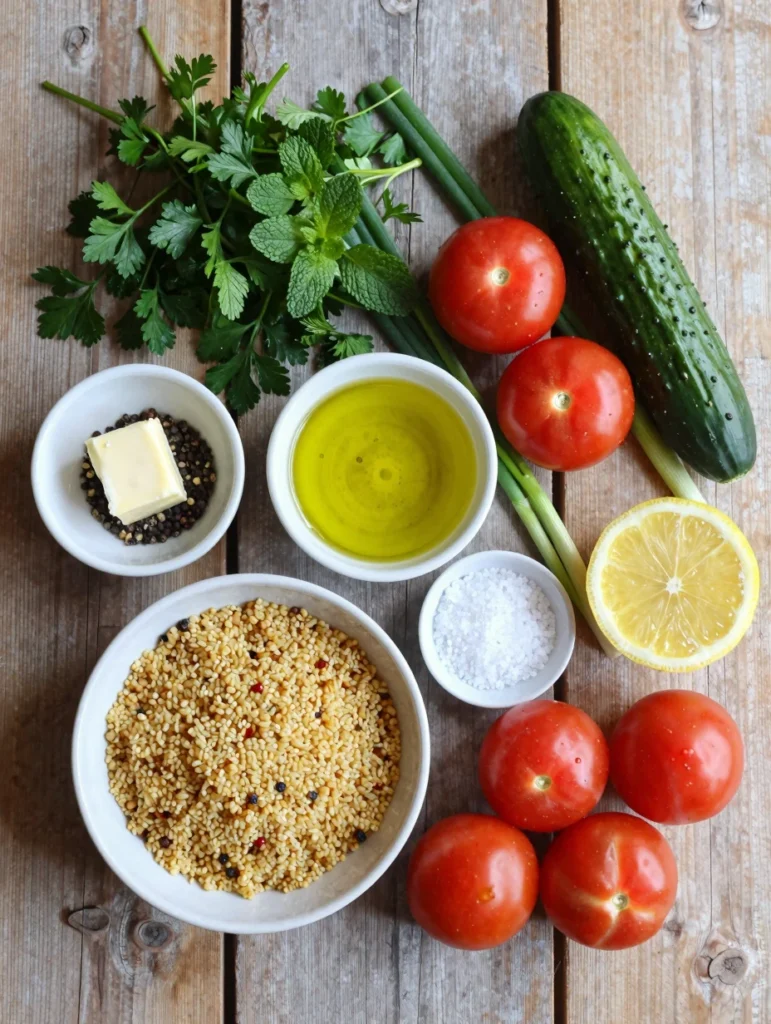
| Ingredient | Quantity | Notes |
|---|---|---|
| Fine Bulgur (No. 1) | 1/2 Cup | Use fine grade for the best texture. |
| Fresh Flat-Leaf Parsley | 3 Large Bunches | Remove the thick stems. |
| Fresh Mint Leaves | 1/2 Cup | Packed and finely chopped. |
| Firm Roma Tomatoes | 3 Medium | Diced very small and seeded. |
| English Cucumber | 1 Small | Finely diced. |
| Green Onions | 4 Stalks | Sliced thin (white and green parts). |
| Extra Virgin Olive Oil | 1/4 Cup | Use high-quality cold-pressed oil. |
| Fresh Lemon Juice | 3-4 Tablespoons | Adjust to your taste preference. |
| Sea Salt | 1/2 Teaspoon | To taste. |
| Black Pepper | 1/4 Teaspoon | Freshly cracked. |
Substitutions & Variations
While we believe this classic Bulgur Wheat Tabbouleh is perfect as it is, we understand that sometimes you need to work with what you have in your pantry. If you cannot find fine bulgur, you can substitute it with quinoa for a gluten-free version of this dish. The texture will change slightly, but the flavor profile remains similar.
You can also use couscous if you prefer a softer grain, although this moves away from the traditional Bulgur Wheat Tabbouleh style. For those who enjoy a bit of spice, feel free to add a pinch of red pepper flakes or a finely diced jalapeño. We sometimes add a handful of pomegranate seeds for a sweet and tart pop of color.
If you want a more substantial meal, you can stir in some cooked chickpeas or top the salad with crumbled feta cheese. Some people also enjoy adding a bit of Allspice or Cinnamon for a more traditional Lebanese flavor profile. Regardless of the changes you make, try to keep the ratio of herbs much higher than the grain to maintain the essence of a true Bulgur Wheat Tabbouleh.
While we believe this classic Bulgur Wheat Tabbouleh is perfect as it is, we understand that sometimes you need to work with what you have in your pantry. If you’re looking for a delicious alternative, check out our Roasted Veggie Grain Bowl for a hearty twist.
Step-by-Step Instructions
Follow these simple steps to master your own Bulgur Wheat Tabbouleh at home. Patience is key, especially when it comes to chopping your herbs and vegetables. This process is meditative and yields the best results when you take your time.
1. Start by preparing the grain. Place the fine bulgur in a small bowl and cover it with about half a cup of boiling water.
Let it soak for 15 to 20 minutes until it becomes tender. Once the water is absorbed, fluff the grain with a fork and let it cool completely. This ensures your Bulgur Wheat Tabbouleh stays light and airy.
2. Wash your parsley and mint thoroughly. This is a crucial step because herbs often carry grit or sand.
After washing, dry them completely using a salad spinner or clean kitchen towels. Wet herbs will turn into a paste when you chop them, which ruins the texture of the Bulgur Wheat Tabbouleh.
3. Finely chop the parsley and mint. You want very small pieces, but avoid using a food processor.
A sharp knife is your best friend here. If you use a machine, you will bruise the herbs and release too much moisture. We want clean, dry cuts for a beautiful Bulgur Wheat Tabbouleh.
4. Dice your tomatoes and cucumbers. Make sure the pieces are roughly the same size as the grains of bulgur.
For the tomatoes, remove the watery seeds and pulp first. This prevents the Bulgur Wheat Tabbouleh from becoming soggy or waterlogged as it sits.
5. In a large mixing bowl, combine the chopped parsley, mint, tomatoes, cucumbers, and green onions. Add the cooled bulgur to the mixture and toss gently with large spoons. You want the ingredients to be evenly distributed.
6. Whisk together the extra virgin olive oil, fresh lemon juice, salt, and pepper in a small jar. Pour this dressing over the salad. Use your hands or spoons to toss the Bulgur Wheat Tabbouleh until every leaf and grain is coated in the bright, citrusy dressing.
7. Taste the salad and adjust the seasoning. You might want more lemon for tang or a bit more salt to bring out the herbal notes.
Once you are satisfied, cover the bowl and refrigerate the Bulgur Wheat Tabbouleh for at least 30 minutes before serving. This resting period allows the bulgur to absorb the lemon juice and olive oil fully.
Pro Tips for Success
To elevate your Bulgur Wheat Tabbouleh from good to restaurant-quality, you should follow a few professional secrets. First, always buy “fine” bulgur, often labeled as No. 1.
If you use coarse bulgur, the grains will feel too hard and chunky in this delicate salad. Second, do not be afraid of the parsley. Traditional Bulgur Wheat Tabbouleh is actually an herb salad with a little bit of grain, not a grain salad with a little bit of herbs. Use more green than you think you need.
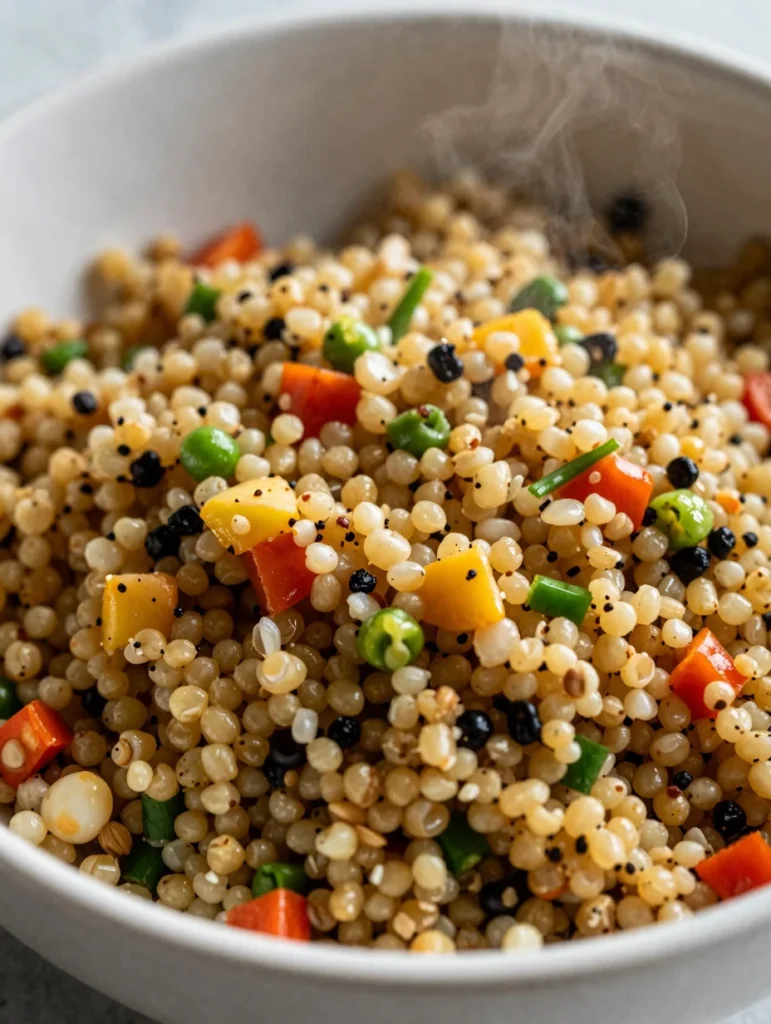
Third, make sure your vegetables are extremely dry before you mix them. Excess water is the enemy of a crisp Bulgur Wheat Tabbouleh. If your tomatoes are very juicy, let the diced pieces drain in a colander for a few minutes before adding them to the bowl.
Fourth, use only fresh lemon juice. Bottled juice lacks the bright, floral acidity that defines this dish. Finally, let the salad chill.
We have found at HSalad.com that Bulgur Wheat Tabbouleh tastes significantly better after the flavors have married in the fridge. The grain will soften further and become infused with the aromatics of the mint and green onions.
To elevate your Bulgur Wheat Tabbouleh from good to restaurant-quality, you should follow a few professional secrets. For more inspiration, try the Jennifer Aniston Salad that showcases fresh ingredients beautifully.
Storage & Reheating Tips
You can store leftover Bulgur Wheat Tabbouleh in an airtight container in the refrigerator for up to three days. Because this salad does not contain dairy or meat, it holds up remarkably well. In fact, many people prefer the taste on the second day.
However, keep in mind that the parsley will eventually begin to wilt and lose its bright green color after the third day. We do not recommend freezing Bulgur Wheat Tabbouleh. The freezing and thawing process will destroy the delicate texture of the fresh herbs and make the cucumbers mushy.
Since this is a cold salad, you should never reheat it. If you have been keeping it in a very cold refrigerator, you might want to let it sit at room temperature for about 10 minutes before eating.
This allows the olive oil, which can solidify slightly when cold, to liquefy again and coat the ingredients properly. If the salad looks a little dry on day two, simply add a tiny splash of fresh lemon juice and a drizzle of olive oil to refresh the Bulgur Wheat Tabbouleh before serving.
What to Serve with this Recipe
Bulgur Wheat Tabbouleh is the ultimate companion for Mediterranean and Middle Eastern feasts. It pairs perfectly with protein-heavy dishes because its acidity cuts through richness. We love serving it alongside grilled lamb chops or chicken shawarma.
The bright flavors of the Bulgur Wheat Tabbouleh balance the smoky notes from the grill beautifully. If you are looking for a vegetarian spread, serve this salad with a big bowl of creamy hummus, some warm pita bread, and crispy falafel.
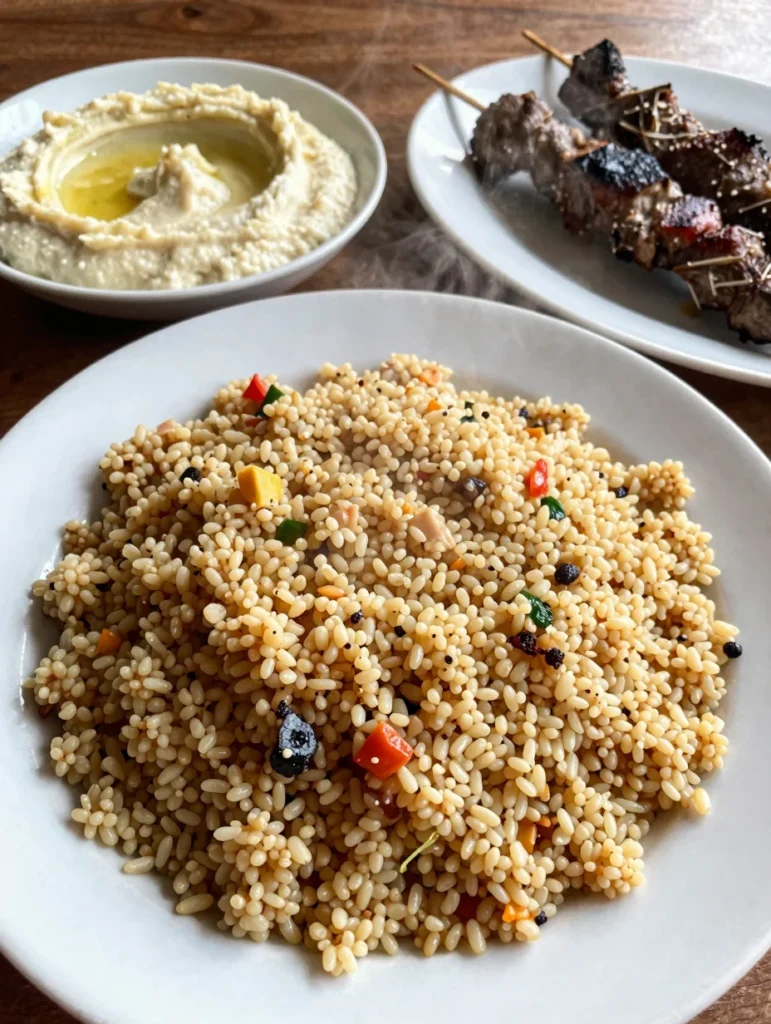
For a light lunch, you can scoop the Bulgur Wheat Tabbouleh into large romaine lettuce leaves and eat them like wraps. This adds an extra layer of crunch and keeps the meal very low in calories. It also works well as a side dish for roasted fish or grilled shrimp.
During our HSalad.com family dinners, we often place a large bowl of Bulgur Wheat Tabbouleh in the center of the table and let everyone serve themselves alongside various small plates, or mezze. It is a social dish that invites people to dig in and enjoy the freshness together.
Bulgur Wheat Tabbouleh is the ultimate companion for Mediterranean and Middle Eastern feasts. For a delightful vegetarian spread, consider pairing it with our The Real Jennifer Anniston Salad for a complete meal.
FAQs
Is Bulgur Wheat Tabbouleh gluten-free?
No, traditional Bulgur Wheat Tabbouleh is not gluten-free because bulgur is a product of whole grain wheat. If you have a gluten sensitivity or Celiac disease, you should replace the bulgur with quinoa or millet. These alternatives provide a similar texture while making the dish safe for those avoiding gluten. Always check your labels to ensure your grains are processed in a gluten-free facility.
Do I need to cook the bulgur for this salad?
You do not actually need to boil bulgur on the stove for this Bulgur Wheat Tabbouleh recipe. Because we use fine-grade bulgur, it is thin enough to soften simply by soaking in hot water or even just the juices from the vegetables and dressing. Simply pour boiling water over it and let it sit. This preserves the nutty flavor and prevents the grain from becoming mushy or overcooked.
How do I stop my tabbouleh from becoming soggy?
The secret to a crisp Bulgur Wheat Tabbouleh lies in the preparation of the vegetables and herbs. You must seed your tomatoes to remove the excess liquid. Additionally, ensure your parsley and mint are completely dry after washing them.
If you add wet herbs to the bowl, the moisture will accumulate at the bottom and make the salad soggy. Always use a salad spinner if possible.
Can I use curly parsley instead of flat-leaf?
While you can use curly parsley, we strongly recommend flat-leaf (Italian) parsley for Bulgur Wheat Tabbouleh. Flat-leaf parsley has a more robust, peppery flavor and a smoother texture. Curly parsley can sometimes feel a bit coarse or “fizzy” in the mouth when chopped in large quantities. If curly is all you have, chop it very finely to ensure it blends well with the other ingredients.
Is Bulgur Wheat Tabbouleh keto-friendly?
Traditional Bulgur Wheat Tabbouleh is not strictly keto-friendly because bulgur is a carbohydrate-rich grain. However, since the ratio of herbs to grain is very high, the carb count per serving is lower than many other grain-based salads. If you are on a strict ketogenic diet, you might consider replacing the bulgur with hemp hearts or riced cauliflower to maintain the spirit of the dish without the carbs.
Bulgur Wheat Tabbouleh is a traditional Middle Eastern salad made primarily of bulgur, parsley, tomatoes, and a dressing of olive oil and lemon juice. This dish is celebrated for its fresh flavors and nutritional benefits, making it a popular choice for healthy eating; learn more about it in this detailed article.
Nutrition Information (per serving)
This Bulgur Wheat Tabbouleh is a nutritional powerhouse. It is low in saturated fat and high in essential vitamins like Vitamin K, Vitamin C, and Vitamin A. The following values are estimates based on a standard serving size of approximately one cup.
| Nutrient | Amount per Serving |
|---|---|
| Calories | 185 kcal |
| Total Fat | 11g |
| Saturated Fat | 1.5g |
| Sodium | 290mg |
| Total Carbohydrates | 21g |
| Dietary Fiber | 5g |
| Sugars | 3g |
| Protein | 4g |
We hope you enjoy making and eating this Bulgur Wheat Tabbouleh as much as we do. It is a staple in our homes, and we are thrilled to share it with the HSalad.com community. Remember, the best salads are made with love and the freshest ingredients you can find. Happy cooking!
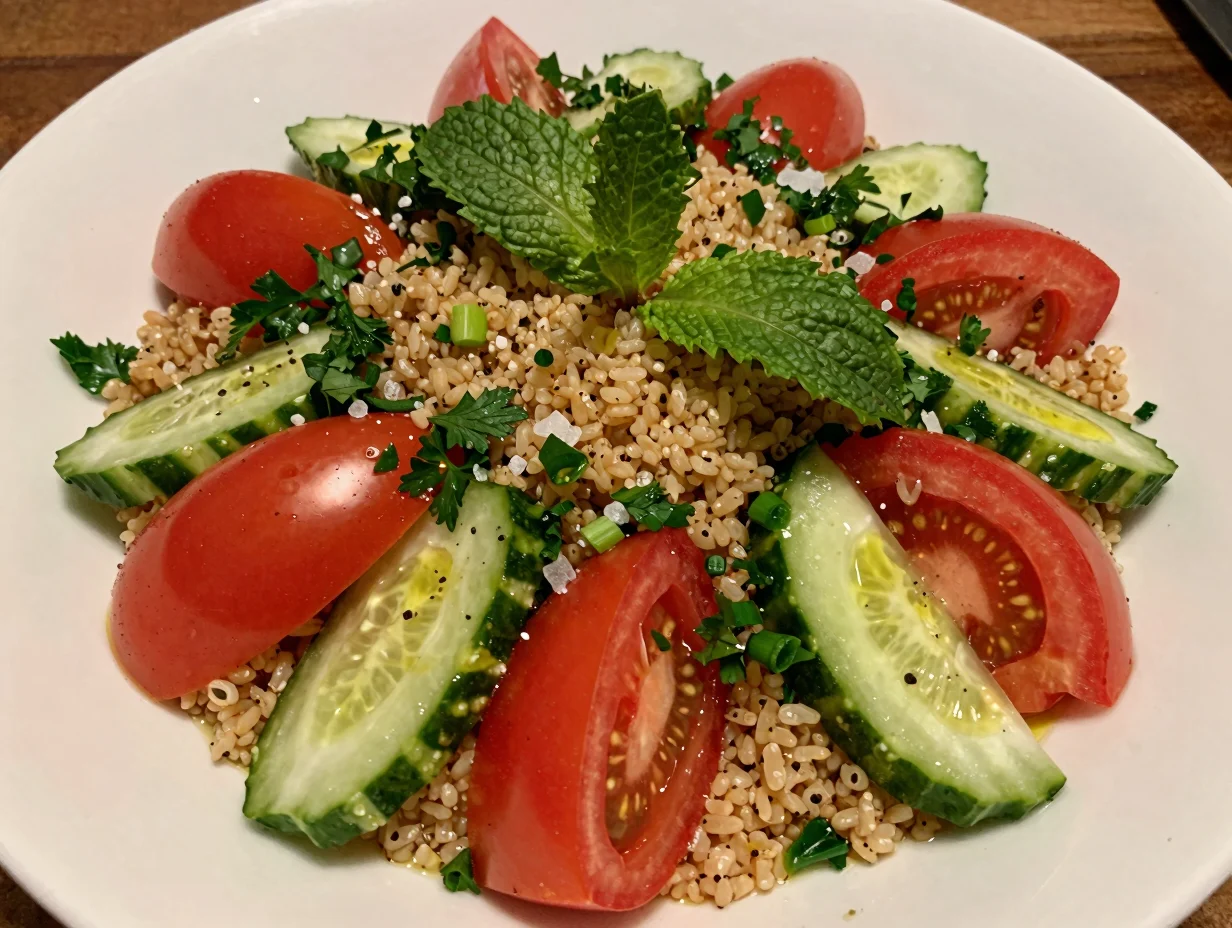
Bulgur Wheat Tabbouleh
Ingredients
Method
- Place the fine bulgur in a small bowl and cover it with about half a cup of boiling water. Let it soak for 15 to 20 minutes until tender.
- Wash the parsley and mint thoroughly, then dry them completely.
- Finely chop the parsley and mint using a sharp knife.
- Dice the tomatoes and cucumbers, ensuring the pieces are roughly the same size as the bulgur grains.
- In a large mixing bowl, combine the chopped parsley, mint, tomatoes, cucumbers, and green onions. Add the cooled bulgur and toss gently.
- Whisk together the olive oil, lemon juice, salt, and pepper in a small jar. Pour the dressing over the salad and toss until coated.
- Taste and adjust seasoning as needed. Cover and refrigerate for at least 30 minutes before serving.