Greek Village Salad
Whenever my brother Liam and I get together with our wives, Ava and Isla, the conversation always turns to our latest kitchen experiments. Last summer, the four of us finally fulfilled a long-held dream by traveling through the Greek islands. We spent our afternoons sitting in sun-drenched tavernas, overlooking the Aegean Sea.

Every single meal started the exact same way with a beautiful, rustic Greek Village Salad. This dish, known locally as Horiatiki, captured our hearts instantly. I remember Isla taking her first bite of a sun-ripened tomato and declaring that we had to recreate this perfectly for our readers at HSalad.com.
We spent hours talking to local chefs about why their Greek Village Salad tasted so much better than the versions we found back home in the United States. They taught us that the secret lies in the simplicity and the quality of every single vegetable. Since returning home, this Greek Village Salad has become a staple at our family gatherings.
Liam usually handles the heavy chopping while Ava and Isla focus on sourcing the most authentic feta cheese possible. I take charge of the dressing, ensuring the olive oil is just right. We believe that a true Greek Village Salad brings a piece of that Mediterranean sunshine right to your dining table.
It is more than just a side dish, it is a celebration of fresh produce and shared moments. We are so excited to share our perfected version of the Greek Village Salad with you today.
Why You’ll Love This Greek Village Salad Recipe
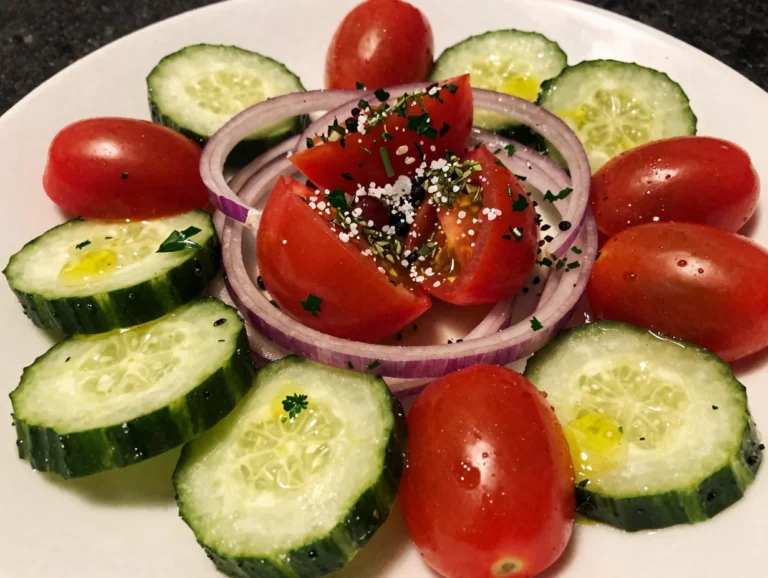
You will absolutely adore this Greek Village Salad because it redefines what a salad can be. Most people in the United States think of salad as a bowl of leafy greens, but this authentic Greek Village Salad contains no lettuce at all. This means you get a bowl packed entirely with crunchy vegetables and creamy cheese.
The textures in a Greek Village Salad provide a satisfying mouthfeel that many other recipes lacks. You will love how the juices from the tomatoes mix with the high-quality olive oil and red wine vinegar to create a natural dressing. This dressing coats every ingredient perfectly without feeling heavy or oily.
Another reason to love this Greek Village Salad is its incredible versatility. It works as a light lunch, a refreshing side dish, or a vibrant appetizer for a larger dinner party. Because it lacks lettuce, this Greek Village Salad does not wilt quickly, making it a great option for outdoor barbecues or picnics.
You will also appreciate how healthy and nourishing this recipe is. Every ingredient in the Greek Village Salad offers essential vitamins and minerals. It fits perfectly into a Mediterranean diet, which doctors often rank as one of the healthiest eating patterns in the world. Above all, you will love the bold, clean flavors that remind you of a summer vacation with every single bite.
Ingredients You’ll Need
To create the best Greek Village Salad, you must prioritize the quality of your ingredients. Since there are only a few components, each one needs to shine. We recommend visiting your local farmer’s market to find the freshest produce for your Greek Village Salad.
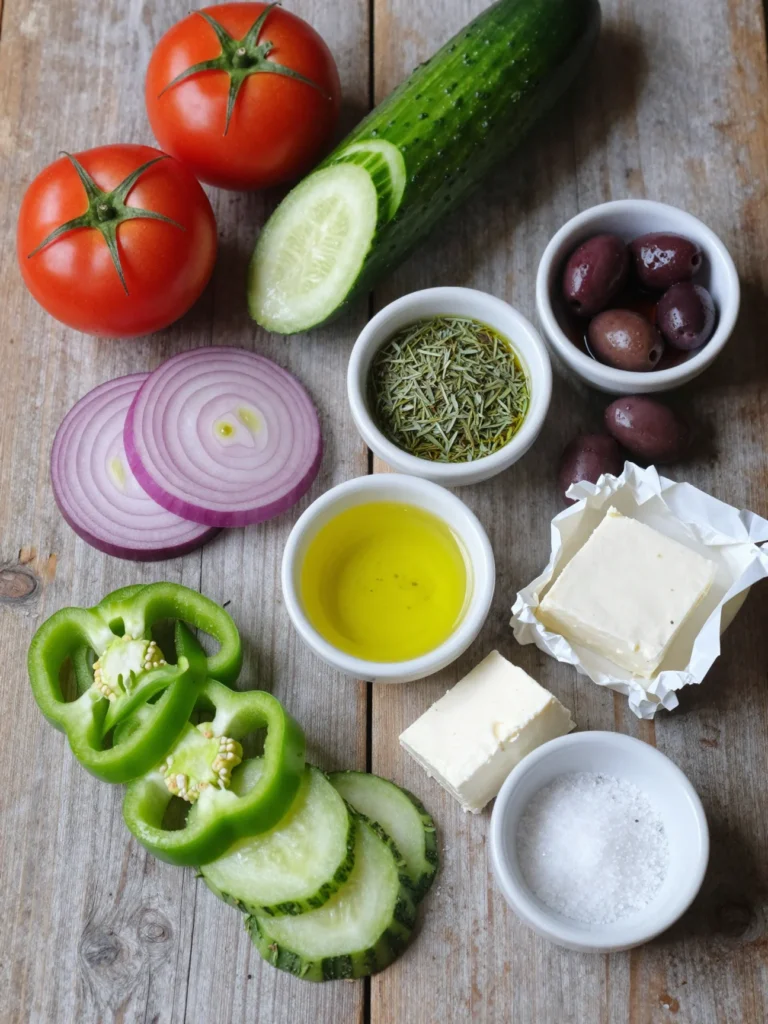
Look for tomatoes that feel heavy for their size and cucumbers that have a firm, snappy texture. For the feta, always look for a block sold in brine rather than the pre-crumbled variety. The block feta provides the creamy, salty punch that a traditional Greek Village Salad requires. Use the table below to gather everything you need for this recipe.
| Ingredient | Quantity | Notes |
|---|---|---|
| Ripe Tomatoes | 4 Large | Cut into irregular, chunky wedges |
| English Cucumber | 1 Medium | Partially peeled and sliced into thick rounds |
| Red Onion | 1/2 Medium | Thinly sliced into half-moons |
| Green Bell Pepper | 1 Medium | Sliced into rings or strips |
| Kalamata Olives | 1/2 Cup | Whole olives with pits are traditional |
| Greek Feta Cheese | 7 Ounces | One large slab or thick slices |
| Extra Virgin Olive Oil | 1/4 Cup | Use the highest quality available |
| Red Wine Vinegar | 1 Tablespoon | Adds a necessary acidic tang |
| Dried Oregano | 1 Teaspoon | Use wild Greek oregano if possible |
| Sea Salt | To Taste | Be careful as feta and olives are salty |
Substitutions & Variations
While we stay true to the traditional Greek Village Salad, we know that sometimes you need to work with what you have in your pantry. If you cannot find large vine-ripened tomatoes, you can use cherry tomatoes or grape tomatoes for your Greek Village Salad. They still offer a sweet, concentrated flavor that works well.
For the cucumber, a Persian cucumber makes an excellent substitute for an English cucumber because of its thin skin and minimal seeds. If red onions are too sharp for your palate, try soaking the slices in cold water for ten minutes before adding them to the Greek Village Salad. This trick removes some of the bite while keeping the crunch.
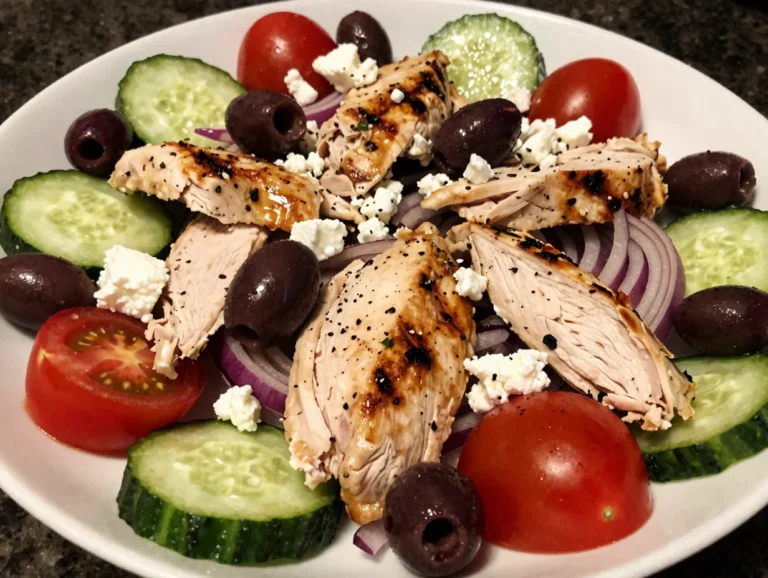
Some people enjoy adding capers to their Greek Village Salad for an extra burst of saltiness. If you want a more substantial meal, you can add protein like grilled chicken or chickpeas directly into the Greek Village Salad. For a vegan version of the Greek Village Salad, simply replace the dairy feta with a high-quality vegan almond or coconut-based feta alternative.
While green bell peppers are traditional, feel free to use red or yellow peppers if you prefer a sweeter flavor profile in your Greek Village Salad. You can also experiment with the herbs by adding a pinch of fresh mint or parsley alongside the dried oregano. However, remember that the classic Greek Village Salad relies on simplicity, so do not overcomplicate the ingredient list.
While we stay true to the traditional Greek Village Salad, we know that sometimes you need to work with what you have in your pantry. For a delightful twist, consider trying our Deviled Egg Pasta Salad as a creative alternative.
Step-by-Step Instructions
Follow these simple steps to assemble your Greek Village Salad. We want you to focus on the rustic nature of this dish, so do not worry about making your cuts too perfect. A Greek Village Salad should look like it came straight from a home kitchen in a small Mediterranean village.
- Start by washing all your fresh vegetables under cold running water. Pat them dry with a clean kitchen towel so the dressing sticks to the vegetables rather than sliding off.
- Take your ripe tomatoes and cut them into large, irregular wedges. Place the tomatoes into a large, shallow salad bowl. This bowl will serve as the base for your Greek Village Salad.
- Prepare the cucumber by peeling off strips of skin to create a striped pattern. Slice the cucumber into thick half-moons or rounds and add them to the bowl with the tomatoes.
- Slice the red onion into very thin half-moons. If you want a milder onion flavor, rinse them quickly. Scatter the onion slices over the other vegetables in your Greek Village Salad bowl.
- Remove the core and seeds from the green bell pepper. Slice the pepper into thin rings or bite-sized strips and add them to the mixture.
- Add the whole Kalamata olives to the bowl. In a traditional Greek Village Salad, the olives usually remain whole, providing a rustic feel and deep flavor.
- In a small jar or bowl, whisk together the extra virgin olive oil and the red wine vinegar. Pour this simple dressing over the vegetables in the bowl.
- Sprinkle a small pinch of sea salt over the vegetables. Remember that the feta and olives already contain salt, so use a light hand.
- Gently toss the vegetables together using large spoons. You want the oil and vinegar to coat every piece of the Greek Village Salad.
- Place the large slab of feta cheese right on top of the vegetables. Do not crumble it. A single large piece is the hallmark of an authentic Greek Village Salad.
- Finish the dish by sprinkling the dried oregano over the feta and the vegetables. Drizzle a tiny bit more olive oil over the cheese for a beautiful sheen. Serve your Greek Village Salad immediately while the vegetables are crisp.
Pro Tips for Success
To truly master the Greek Village Salad, you should keep a few professional secrets in mind. First, always serve your tomatoes at room temperature. Cold tomatoes lose their flavor and texture, which can dull the impact of your Greek Village Salad.
Second, invest in a very high-quality extra virgin olive oil. Since the oil acts as the primary sauce for the Greek Village Salad, a peppery, fruity oil will make a massive difference. Third, do not over-mix the salad after adding the cheese.
You want the feta to stay mostly intact until the person eating the Greek Village Salad decides to break it apart with their fork. Fourth, use dried oregano rather than fresh. In Greece, they often use wild dried oregano because it has a more intense, earthy aroma that defines the Greek Village Salad experience.
Fifth, use a shallow bowl or a large platter instead of a deep mixing bowl. This allows the ingredients to spread out, ensuring that the dressing distributes evenly and the feta remains prominent. Finally, serve the Greek Village Salad with plenty of crusty bread.
You will want that bread to soak up the delicious juices, known as “ladolemono,” that collect at the bottom of the bowl. These tips will help you create a Greek Village Salad that rivals any you would find in Athens or Santorini.
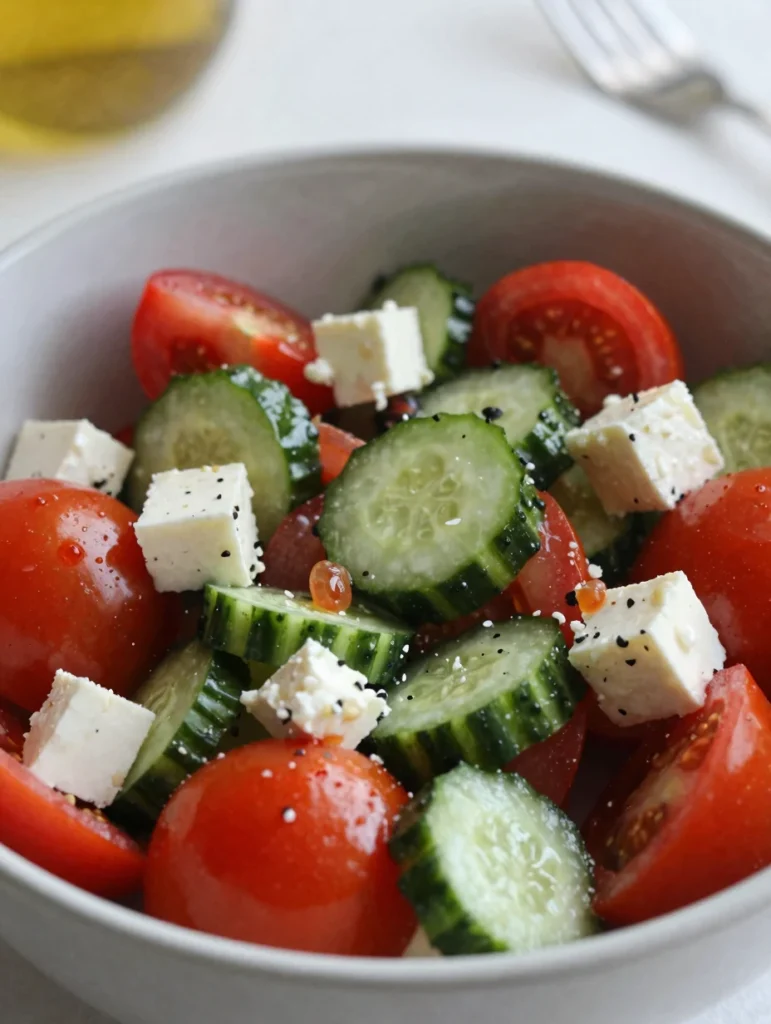
To truly master the Greek Village Salad, you should keep a few professional secrets in mind. For a sweet and creamy side dish that complements your meal, check out our Old Fashioned Ambrosia Salad With Cool Whip.
Storage & Reheating Tips
You should ideally consume your Greek Village Salad immediately after preparation. The salt in the recipe will eventually draw moisture out of the tomatoes and cucumbers, making the salad a bit watery if it sits for too long. However, if you have leftovers, you can store your Greek Village Salad in an airtight container in the refrigerator for up to twenty-four hours.
Note that the cucumbers will lose some of their crunch, but the flavors will actually meld together beautifully. Before eating leftovers, let the Greek Village Salad sit at room temperature for about fifteen minutes. This allows the olive oil, which may have solidified in the fridge, to liquefy again.
Give the Greek Village Salad a gentle stir to redistribute the juices. We do not recommend freezing a Greek Village Salad, as the high water content of the vegetables will cause them to turn mushy upon thawing. This is a dish that celebrates freshness, so making a smaller batch is often better than storing a large amount.
Since this recipe requires no cooking, you never have to worry about reheating it. Just enjoy the cool, crisp textures as they are.
What to Serve with this Recipe
The Greek Village Salad is incredibly versatile and pairs well with many different main courses. If you want a traditional experience, serve this Greek Village Salad alongside grilled lamb chops or souvlaki. The acidity of the tomatoes and vinegar cuts through the richness of the meat perfectly.
For a lighter meal, we often serve the Greek Village Salad with a side of warm pita bread and a bowl of homemade hummus or tzatziki. It also makes a fantastic companion to roasted lemon chicken or grilled fish. Liam and I love to serve this Greek Village Salad during our summer barbecues alongside burgers or grilled sausages.
If you are hosting a vegetarian dinner, try serving the Greek Village Salad with spanakopita (spinach pie) or roasted potatoes seasoned with lemon and garlic. The vibrant colors of the Greek Village Salad also make it a beautiful center-piece for any Mediterranean-themed spread. No matter what you choose, ensure you have plenty of bread on hand to enjoy every last drop of the dressing from your Greek Village Salad.
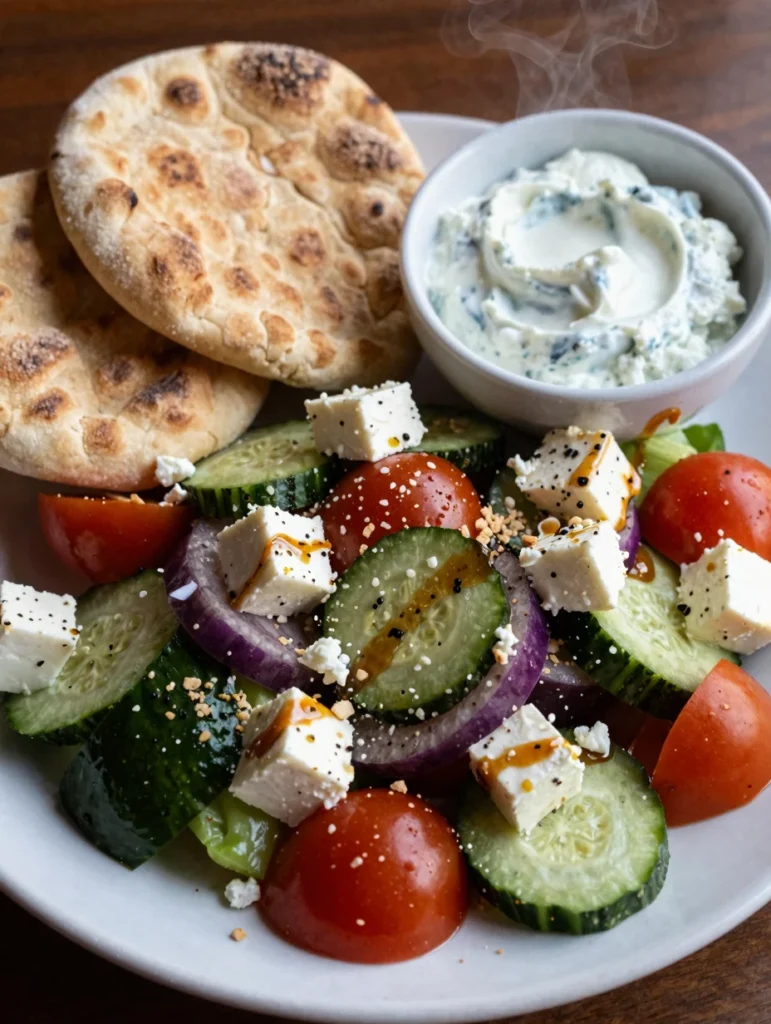
The Greek Village Salad is incredibly versatile and pairs well with many different main courses. If you’re looking for a refreshing side, our Coleslaw With Poppy Seed Dressing is a fantastic option.
FAQs
Does a real Greek Village Salad contain lettuce?
No, an authentic Greek Village Salad, or Horiatiki, never contains lettuce. It relies on the crunch of cucumbers and peppers and the juiciness of tomatoes for its structure. Adding lettuce is a common variation found in American versions, but it is not traditional to the original recipe from Greece.
What is the best type of feta for a Greek Village Salad?
The best feta for a Greek Village Salad is a high-quality Greek feta made from sheep’s milk or a blend of sheep and goat’s milk. Always buy the feta in a block stored in brine. This keeps the cheese moist and flavorful, whereas pre-crumbled feta often feels dry and lacks the necessary creaminess.
Can I make Greek Village Salad in advance?
You can chop the vegetables for your Greek Village Salad a few hours in advance, but do not add the salt, oil, or vinegar until you are ready to serve. Adding the dressing too early causes the vegetables to release their water, which can make the salad soggy. Keep the chopped vegetables in the fridge and dress them right before the meal.
Why is the feta served as a whole block on top?
Serving the feta as a whole block or large slices is the traditional way to present a Greek Village Salad. It allows the diner to break off pieces of cheese as they eat, ensuring they get the perfect amount with each bite. It also prevents the cheese from dissolving into the dressing and making the salad look messy.
Is Greek Village Salad healthy?
Yes, the Greek Village Salad is extremely healthy. it is packed with fiber, antioxidants, and healthy fats from the extra virgin olive oil. The vegetables provide vitamins A and C, while the feta offers protein and calcium. It is a low-carb and gluten-free option that fits many different dietary needs.
Greek Village Salad, known as Horiatiki, is a traditional Greek dish that celebrates fresh vegetables and quality ingredients. This salad typically includes tomatoes, cucumbers, onions, olives, and feta cheese, making it a staple in Mediterranean cuisine, as detailed in this article.
Nutrition Information (per serving)
This nutrition information provides an estimate for one serving of Greek Village Salad. The actual values may vary depending on the specific brands of olive oil and feta cheese you choose to use. This recipe typically serves four people as a side dish or two people as a main course.
| Nutrient | Amount per Serving |
|---|---|
| Calories | 285 kcal |
| Total Fat | 22g |
| Saturated Fat | 8g |
| Cholesterol | 45mg |
| Sodium | 650mg |
| Total Carbohydrates | 12g |
| Dietary Fiber | 3g |
| Sugars | 6g |
| Protein | 9g |
We hope you enjoy making and eating this authentic Greek Village Salad as much as we do. It represents everything we love at HSalad.com, simple ingredients, vibrant flavors, and the joy of sharing a meal with loved ones. Whether you are eating it on a balcony in Greece or at your kitchen table in the US, this Greek Village Salad is sure to satisfy your cravings for something fresh and delicious.
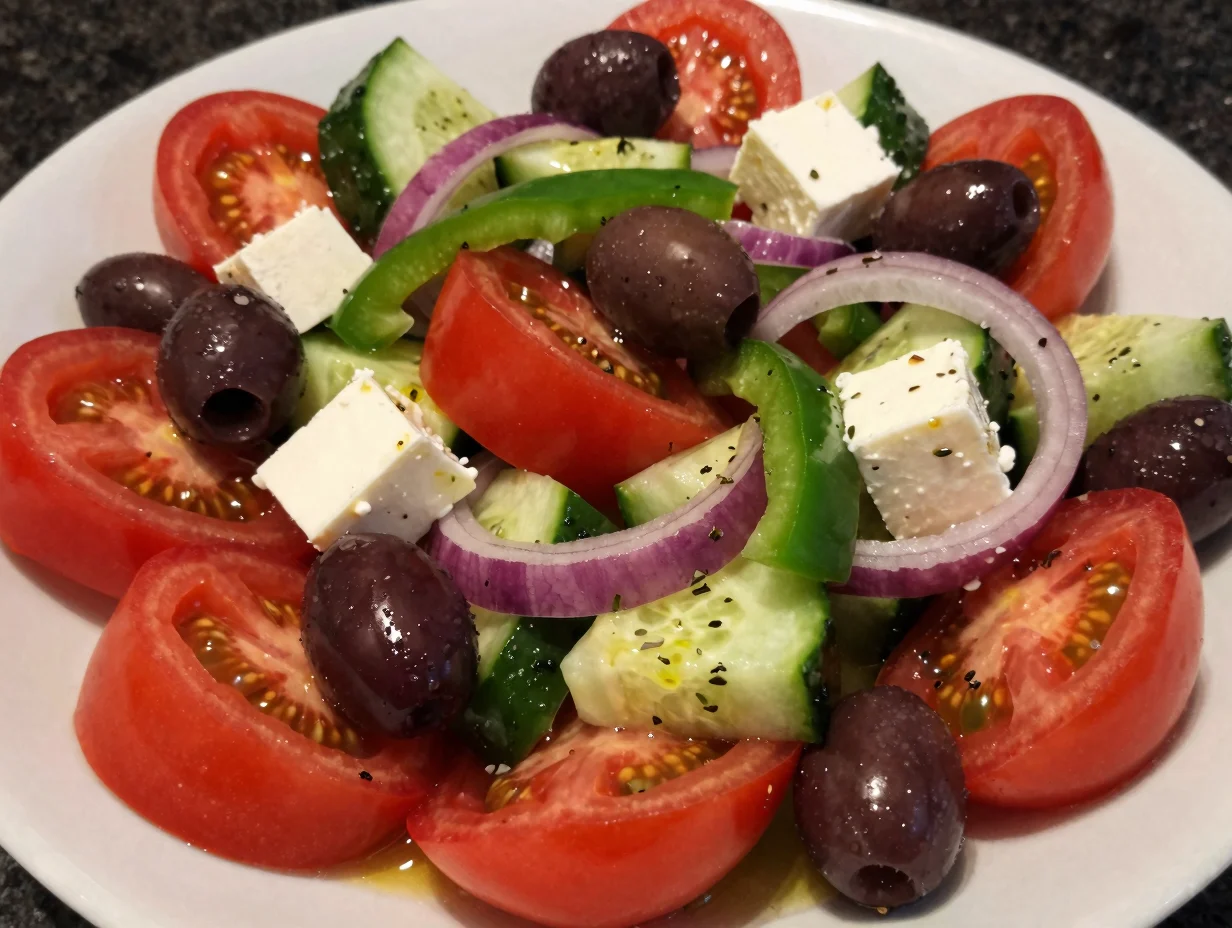
Greek Village Salad
Ingredients
Method
- Wash all fresh vegetables under cold running water and pat them dry.
- Cut ripe tomatoes into large, irregular wedges and place them in a large, shallow salad bowl.
- Prepare the cucumber by peeling off strips of skin and slicing it into thick half-moons or rounds, then add to the bowl.
- Slice the red onion into very thin half-moons and scatter over the vegetables.
- Remove the core and seeds from the green bell pepper, slice into thin rings or strips, and add to the mixture.
- Add whole Kalamata olives to the bowl.
- In a small jar or bowl, whisk together the extra virgin olive oil and red wine vinegar, then pour over the vegetables.
- Sprinkle a small pinch of sea salt over the vegetables.
- Gently toss the vegetables together using large spoons.
- Place the large slab of feta cheese on top of the vegetables.
- Finish by sprinkling dried oregano over the feta and vegetables, and drizzle a bit more olive oil over the cheese. Serve immediately.