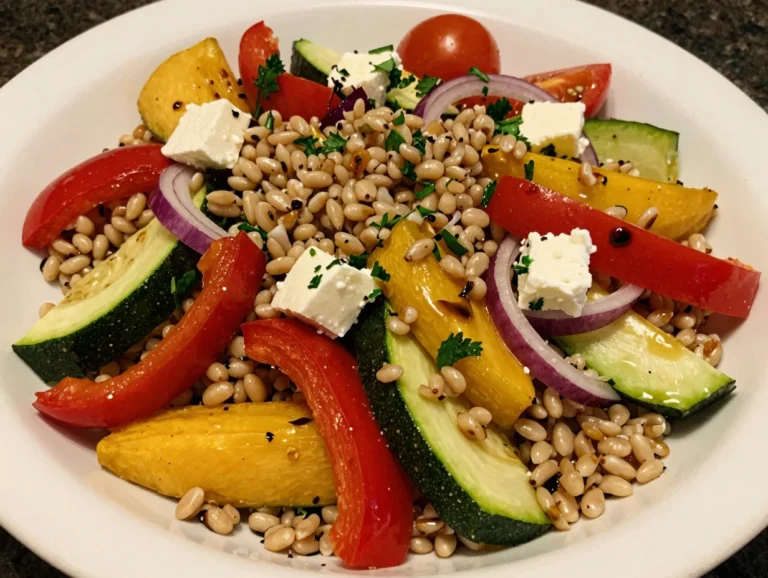
Sesame Ginger Dressing
I remember a particularly humid Tuesday evening in our kitchen when James and I were struggling to find the right spark for our dinner. Isla and Ava had just returned from the local farmer’s market with bags full of crisp radishes, snap peas, and dark leafy greens. We all felt a craving for something bright, zingy, and deeply savory.

We wanted a flavor profile that could cut through the summer heat while providing a satisfying richness. James pulled out a knob of fresh ginger, and I reached for the bottle of toasted sesame oil. Together, we began whisking.
That night, we perfected our signature Sesame Ginger Dressing. It was an instant hit among the four of us. The way the spicy ginger played against the nutty sesame notes transformed our simple garden salad into a gourmet experience.
Since then, this Sesame Ginger Dressing has become the most requested recipe on our HSalad blog. We believe that every home cook needs a reliable, bold dressing in their repertoire to make healthy eating exciting. This specific Sesame Ginger Dressing recipe represents our commitment to fresh ingredients and approachable techniques. It brings a punch of flavor that you simply cannot find in a store-bought bottle.
Why You’ll Love This Sesame Ginger Dressing Recipe
You will absolutely adore this Sesame Ginger Dressing because it strikes a perfect balance between sweet, salty, and spicy. Most bottled dressings rely on high-fructose corn syrup or low-quality oils, but our version uses wholesome components that you likely already have in your pantry. This Sesame Ginger Dressing offers a nutritional boost thanks to the anti-inflammatory properties of fresh ginger and garlic.
We love how the toasted sesame oil provides an earthy depth that lingers on the palate. Furthermore, this Sesame Ginger Dressing is incredibly versatile. You can use it as a traditional salad topper, a flavorful marinade for grilled proteins, or even a dipping sauce for fresh spring rolls.
Isla often prepares a double batch on Sundays to streamline our meal prep for the week. Because you control the ingredients, you can easily adjust the saltiness or the spice level to suit your personal preference. This Sesame Ginger Dressing tastes much fresher than anything from a grocery store shelf.
It provides a vibrant, restaurant-quality finish to any bowl of greens. You will also appreciate how quickly it comes together. In less than ten minutes, you can create a Sesame Ginger Dressing that elevates your entire meal.
It turns a boring side salad into the star of the show. Your family and friends will likely ask for the recipe before they even finish their first serving.
Ingredients You’ll Need
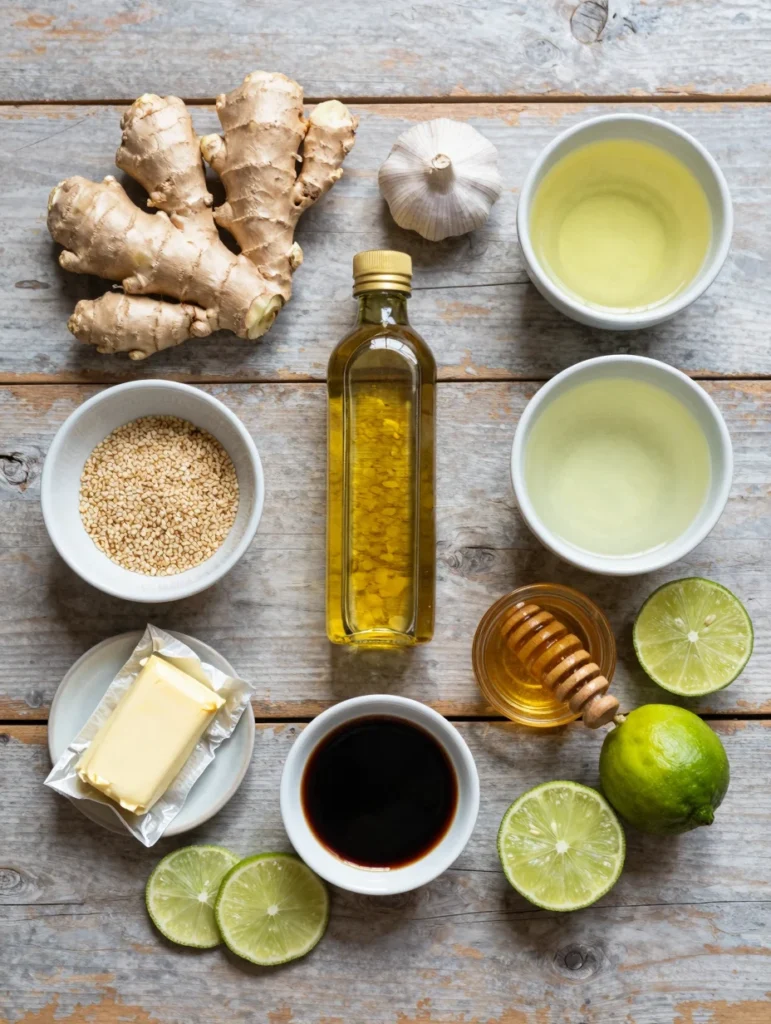
To create the ultimate Sesame Ginger Dressing, you need high-quality ingredients that bring distinct flavors to the mix. We recommend using fresh aromatics rather than dried powders to ensure the boldest taste possible. This Sesame Ginger Dressing relies on the contrast between acidic vinegar and rich oils. Below is a detailed list of what you will need to gather before you start mixing your Sesame Ginger Dressing.
| Ingredient | Quantity | Purpose |
|---|---|---|
| Fresh Ginger | 2 tablespoons, minced | Provides a spicy, pungent kick. |
| Fresh Garlic | 1 large clove, minced | Adds a savory, aromatic depth. |
| Toasted Sesame Oil | 2 tablespoons | Delivers the signature nutty aroma. |
| Neutral Oil (Grapeseed or Avocado) | 1/4 cup | Acts as the base for the emulsion. |
| Rice Vinegar | 3 tablespoons | Offers a mild, slightly sweet acidity. |
| Soy Sauce (or Tamari) | 2 tablespoons | Provides saltiness and umami flavor. |
| Honey or Maple Syrup | 1 tablespoon | Balances the acidity and spice. |
| Fresh Lime Juice | 1 tablespoon | Adds a bright, citrusy highlight. |
Substitutions & Variations
We understand that every kitchen is different, so we designed this Sesame Ginger Dressing to be quite flexible. If you follow a gluten-free diet, you should substitute the soy sauce with tamari or coconut aminos. Coconut aminos will make the Sesame Ginger Dressing slightly sweeter, so you might want to reduce the honey.
For a vegan-friendly Sesame Ginger Dressing, simply use maple syrup or agave nectar instead of honey. If you do not have rice vinegar, apple cider vinegar works as a decent substitute, though it has a stronger fruity note. We sometimes swap the neutral oil for extra virgin olive oil, but keep in mind that olive oil has a distinct flavor that may compete with the sesame.
If you want a Creamy Sesame Ginger Dressing, you can whisk in a tablespoon of tahini or Greek yogurt. This addition gives the Sesame Ginger Dressing a thicker consistency that clings beautifully to hearty vegetables like broccoli or kale. For those who enjoy a bit of heat, add a teaspoon of sriracha or a pinch of red pepper flakes to your Sesame Ginger Dressing.
James loves to add a teaspoon of toasted sesame seeds directly into the mixture for extra texture. If you are watching your sodium intake, use a low-sodium soy sauce to keep the Sesame Ginger Dressing light. No matter which variation you choose, the core profile of the Sesame Ginger Dressing will remain delicious and refreshing.
If you’re looking for a delicious way to use this versatile dressing, consider trying it in a Cold Sesame Noodle Salad. This dish pairs beautifully with the flavors of the dressing, making it a refreshing meal option that you can enjoy any time of year. Cold Sesame Noodle Salad
Step-by-Step Instructions
Creating this Sesame Ginger Dressing is a straightforward process that requires minimal equipment. You can use a small bowl and a whisk, or you can opt for a glass jar with a tight-fitting lid. We often prefer the jar method because it allows for easy storage later. Follow these simple steps to master your homemade Sesame Ginger Dressing.
First, prepare your aromatics. Peel the fresh ginger using the edge of a spoon. Grate the ginger finely using a microplane or a small grater.
You want the ginger to be almost a paste so it distributes evenly throughout the Sesame Ginger Dressing. Next, mince the garlic clove as finely as possible. If you prefer a smoother texture, you can put the ginger and garlic into a small food processor.
Second, combine your liquid base. In your chosen container, pour in the rice vinegar, soy sauce, honey, and lime juice. Whisk these ingredients together until the honey completely dissolves. This ensures that every drop of your Sesame Ginger Dressing has a consistent level of sweetness.
Third, incorporate the oils. Slowly drizzle in the toasted sesame oil while whisking constantly. Follow this with the neutral oil.
If you are using a jar, you can simply pour all the oils in, seal the lid tightly, and shake the jar vigorously for thirty seconds. This action emulsifies the Sesame Ginger Dressing, creating a cohesive and slightly thickened sauce. The emulsion is key to a high-quality Sesame Ginger Dressing, as it prevents the oil and vinegar from separating immediately.
Finally, taste your creation. Dip a leaf of lettuce into the Sesame Ginger Dressing to check the balance. You might want an extra squeeze of lime or a tiny bit more honey.
Once you are satisfied with the flavor, your Sesame Ginger Dressing is ready for use. We recommend letting it sit for at least ten minutes before serving. This resting period allows the ginger and garlic flavors to infuse deeply into the oils of the Sesame Ginger Dressing.
Pro Tips for Success
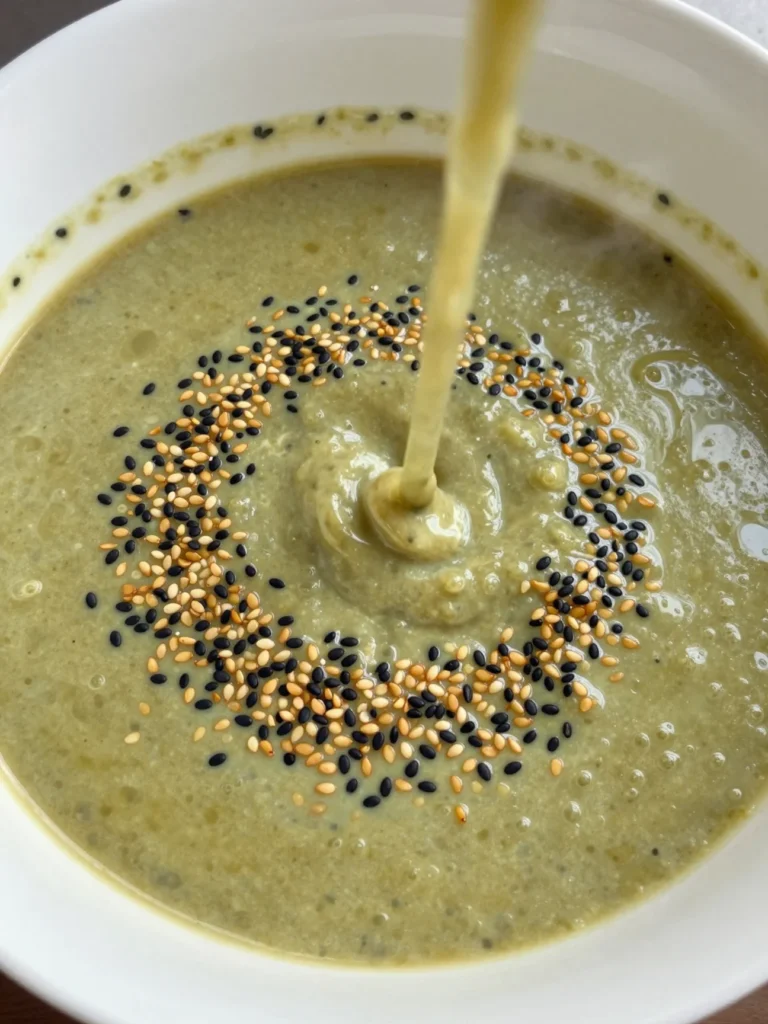
To achieve the best results with your Sesame Ginger Dressing, we have gathered a few insider tips from the HSalad kitchen. Always use fresh ginger rather than the bottled, pre-minced variety. Fresh ginger has a bright, peppery bite that provides the foundation for a great Sesame Ginger Dressing.
If you find ginger difficult to grate, try freezing the root first. Frozen ginger grates much more easily and creates a fine snow-like texture. Another tip involves the choice of sesame oil.
Ensure you are using “toasted” sesame oil, which has a dark brown color and a rich scent. Plain sesame oil is much lighter and lacks the depth required for an authentic Sesame Ginger Dressing. When you emulsify the Sesame Ginger Dressing, ensure your ingredients are at room temperature.
Cold honey or cold oil can make the mixing process more difficult. If you are making a large batch of Sesame Ginger Dressing for a party, use a high-speed blender. A blender creates a perfectly smooth, creamy emulsion that lasts longer without separating.
Ava always reminds us to season with a crack of fresh black pepper at the very end. While the soy sauce provides plenty of salt, the black pepper adds a subtle earthy heat to the Sesame Ginger Dressing. Finally, do not be afraid to let the Sesame Ginger Dressing sit in the fridge for an hour before your meal. The flavors continue to develop and meld, resulting in a more complex and satisfying Sesame Ginger Dressing experience.
For those who want to explore more dressing options, our Tahini Lemon Dressing is another fantastic choice. It offers a unique flavor profile that can complement a variety of dishes, just like the Sesame Ginger Dressing does. Tahini Lemon Dressing
Storage & Reheating Tips
One of the best things about this Sesame Ginger Dressing is how well it stores. You can keep the Sesame Ginger Dressing in an airtight container, such as a mason jar, in the refrigerator for up to one week. Because we use fresh garlic and ginger, the flavor actually intensifies over the first two days.
However, you might notice that the Sesame Ginger Dressing separates as it sits. This is perfectly normal for a homemade dressing without artificial emulsifiers. Simply give the jar a good shake or a quick whisk before you use it.
If you used olive oil in your Sesame Ginger Dressing, the oil might solidify slightly in the cold fridge. If this happens, let the Sesame Ginger Dressing sit at room temperature for five to ten minutes, then shake it until it liquefies again. We do not recommend freezing this Sesame Ginger Dressing, as the fresh aromatics can lose their texture and the emulsion will completely break upon thawing.
Since it takes so little time to prepare, a fresh batch of Sesame Ginger Dressing is always the better option. You do not need to reheat this recipe. In fact, most people prefer their Sesame Ginger Dressing chilled or at room temperature.
If you are using it as a marinade for chicken or fish, you can take it straight from the fridge and pour it over the protein. The acidity in the Sesame Ginger Dressing helps tenderize the meat while the sugars in the honey allow for beautiful caramelization during cooking.
What to Serve with this Recipe
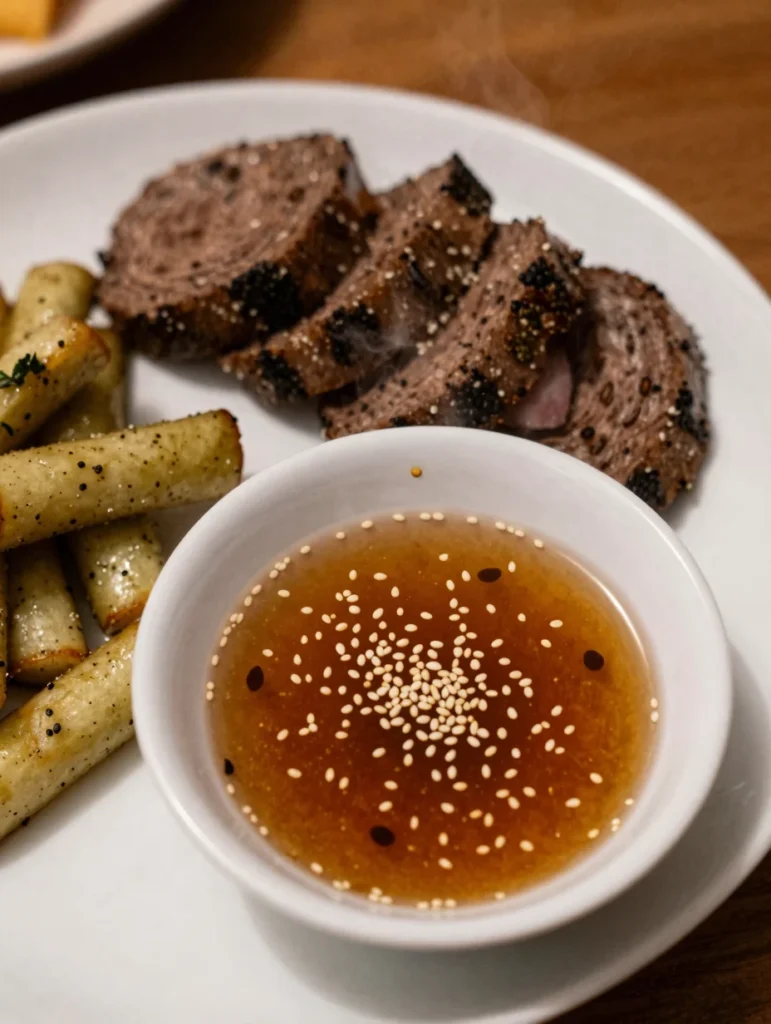
The culinary possibilities for this Sesame Ginger Dressing are nearly endless. At HSalad, we love drizzling it over a crunchy slaw made of shredded red cabbage, carrots, and edamame. The Sesame Ginger Dressing complements the crunch of the vegetables perfectly.
You can also use this Sesame Ginger Dressing as a vibrant sauce for a grain bowl. Picture a bowl filled with fluffy quinoa, roasted sweet potatoes, sliced avocado, and a generous pour of Sesame Ginger Dressing on top. It also works wonderfully with cold noodle salads.
Toss some soba noodles or rice noodles with cucumbers, scallions, and this Sesame Ginger Dressing for a refreshing lunch. If you enjoy seafood, try using the Sesame Ginger Dressing as a finishing touch for seared tuna or grilled salmon. The ginger notes pair beautifully with the richness of the fish.
For a quick snack, Isla likes to use the Sesame Ginger Dressing as a dip for sliced cucumbers and bell peppers. If you are hosting a dinner party, serve a simple spinach salad with mandarin oranges and toasted almonds, topped with this Sesame Ginger Dressing. The citrus in the oranges echoes the lime juice in the dressing.
You can even use the Sesame Ginger Dressing to deglaze a pan after stir-frying vegetables. The heat will slightly thicken the dressing, creating a glossy glaze that coats every piece of bok choy or snap pea. This Sesame Ginger Dressing truly bridges the gap between different cuisines and meal types, making it a versatile tool in your kitchen.
If you’re feeling adventurous, try drizzling this dressing over a grain bowl for a delightful twist. You might also enjoy our Blueberry Lemon Dressing, which adds a fruity flair to your meals, just like the Sesame Ginger Dressing enhances salads. Blueberry Lemon Dressing
Nutrition Information (per serving)
This nutrition information is based on a serving size of two tablespoons of Sesame Ginger Dressing. This recipe yields approximately eight servings. We focus on heart-healthy fats and natural sweeteners to keep our Sesame Ginger Dressing as nourishing as possible.
| Nutrient | Amount |
|---|---|
| Calories | 95 kcal |
| Total Fat | 9g |
| Saturated Fat | 1g |
| Sodium | 320mg |
| Total Carbohydrates | 4g |
| Sugars | 3g |
| Protein | 0.5g |
FAQs
How long does sesame ginger dressing last in the fridge?
Your homemade Sesame Ginger Dressing will stay fresh for about seven days when stored in an airtight container in the refrigerator. Because it contains fresh garlic and ginger, we recommend consuming it within this timeframe for the best flavor and food safety. Always shake the Sesame Ginger Dressing before use, as natural separation will occur.
Is sesame ginger dressing healthy?
Yes, this Sesame Ginger Dressing is a very healthy choice compared to many commercial alternatives. It uses ginger, which supports digestion, and garlic, which boosts the immune system. By using unsaturated fats like avocado or grapeseed oil, you provide your body with healthy lipids. Additionally, you can control the amount of sugar and salt in your Sesame Ginger Dressing.
Can I use ground ginger instead of fresh for this dressing?
While you can use ground ginger in a pinch, we highly recommend fresh ginger for this Sesame Ginger Dressing. Ground ginger has a different, more muted flavor profile that lacks the bright “zing” of the fresh root. If you must use dried ginger, use about 1/2 teaspoon for the entire recipe, but the resulting Sesame Ginger Dressing will not be quite as vibrant.
Is sesame ginger dressing gluten-free?
This Sesame Ginger Dressing can easily be made gluten-free. Standard soy sauce contains wheat, so you must replace it with tamari or coconut aminos to ensure the Sesame Ginger Dressing is safe for a gluten-free diet. Always check the labels on your rice vinegar as well, though most brands are naturally gluten-free.
What is the best oil for sesame ginger dressing?
The best oil for a Sesame Ginger Dressing is a neutral-flavored oil with a high smoke point, such as grapeseed, avocado, or sunflower oil. These oils allow the toasted sesame oil and the fresh ginger to be the dominant flavors. While you can use olive oil, its strong flavor might slightly alter the traditional Asian-inspired profile of the Sesame Ginger Dressing.
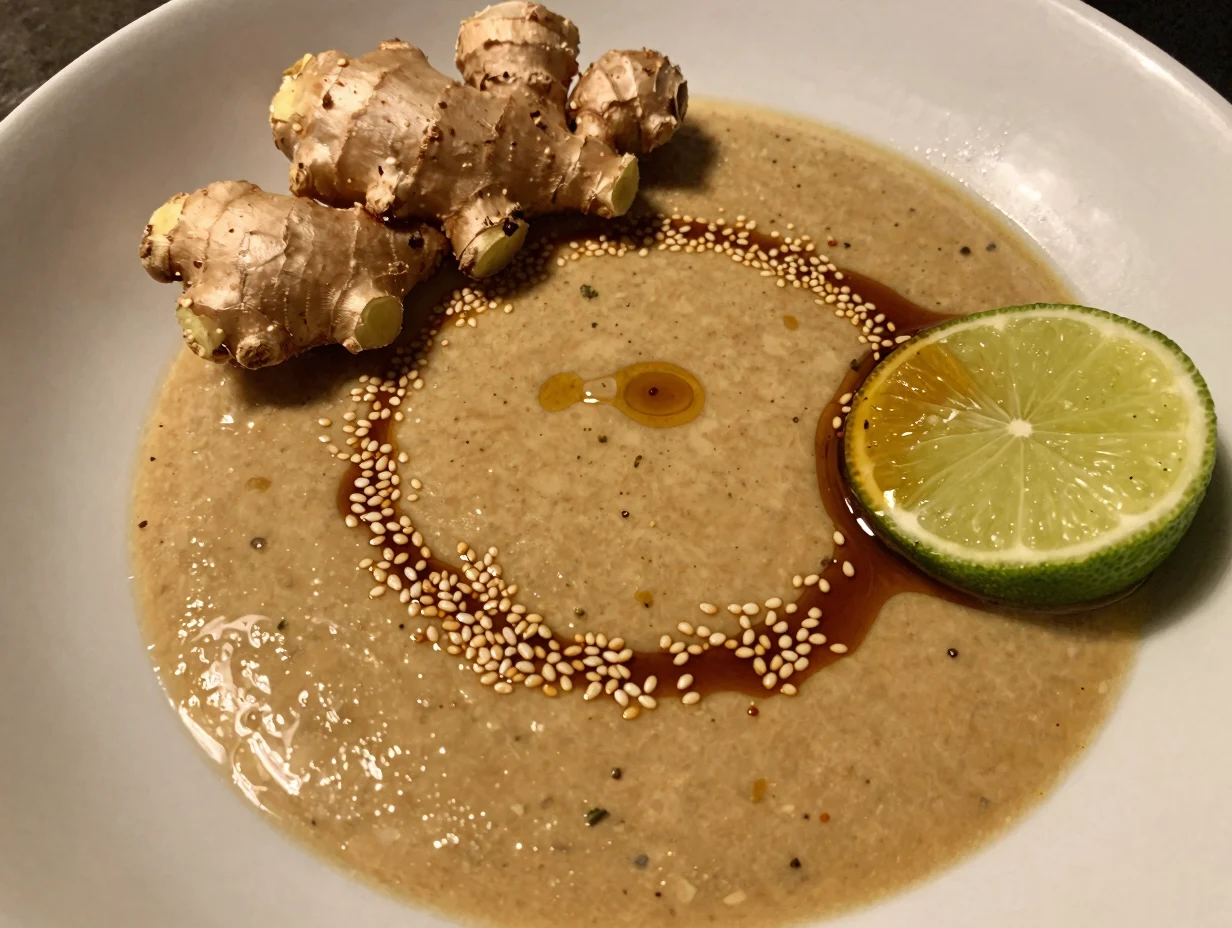
Sesame Ginger Dressing
Ingredients
Method
- Prepare your aromatics by peeling and grating the fresh ginger and mincing the garlic.
- Combine the rice vinegar, soy sauce, honey, and lime juice in a container and whisk until the honey dissolves.
- Slowly drizzle in the toasted sesame oil while whisking, then add the neutral oil and whisk until emulsified.
- Taste and adjust seasoning if necessary, then let sit for at least ten minutes before serving.